Winter Landscape Maintenance: Preparing Your Garden and Courtyard for the Cold
A garden properly prepared in autumn can come through winter in good health. We review the essential steps for maintaining your landscape through the colder months.
Many people assume landscapes need no care in winter, yet much of the damage that appears in spring results from neglect during autumn and winter. Frozen roots, branches breaking under snow, burst irrigation pipes and evergreen plants drying out can all be largely prevented with timely preparation.
Adjusting Irrigation for Cold Weather
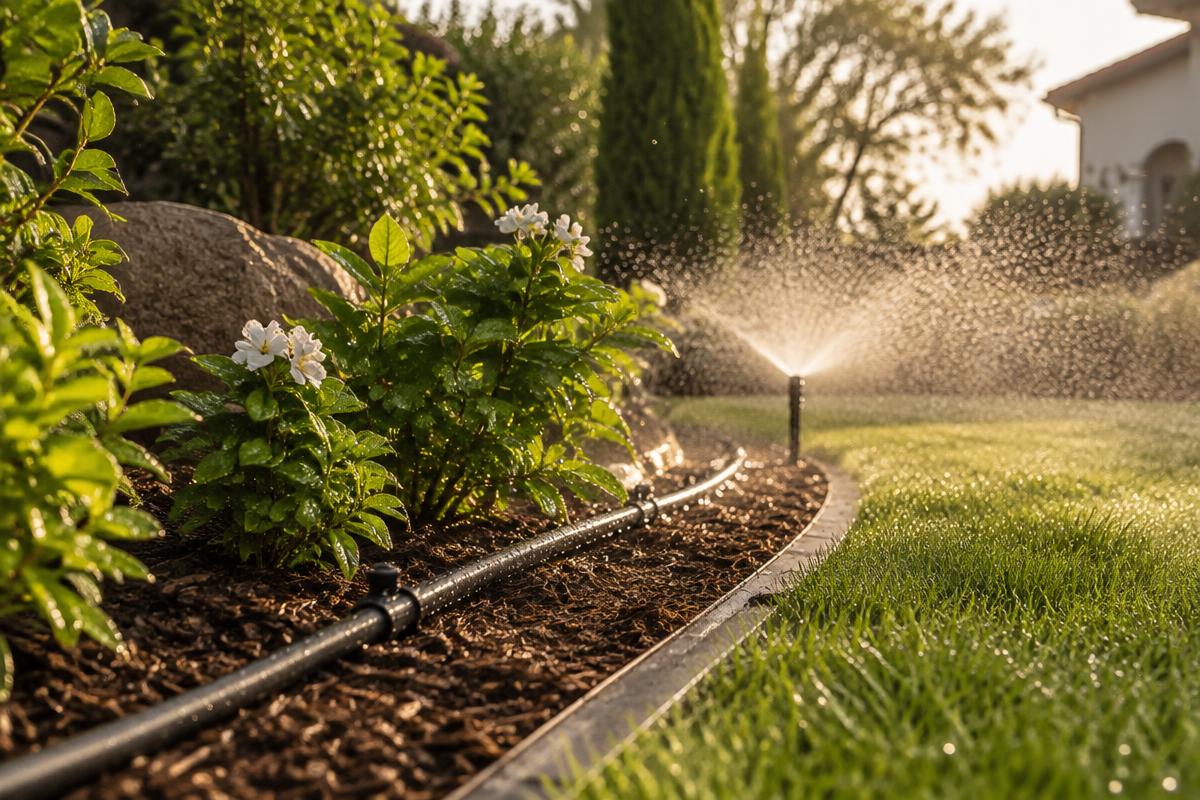
As temperatures and surface evaporation fall, plants need less water. Continuing a summer watering schedule leaves soil wet and cold, increasing the risk of root rot and fungal disease. Watering should be reduced gradually and carried out during the warmer hours of the day, rather than at night when water freezes at the soil surface.
However, evergreens such as pines, cypresses and boxwood continue to lose water through their leaves in winter. On dry, frost-free days, a deep watering helps prevent dehydration and leaf scorch.
Protecting the Irrigation System
Water left in pipes, valves and drippers expands when it freezes and can break fittings. In areas with severe frost, draining irrigation lines, shutting off the main valve and covering valves and the controller at the end of autumn are essential. If you have a smart irrigation system, switch it to winter mode or keep its rain and moisture sensors active.
Mulch: A Blanket for Roots
Spreading a layer of organic mulch, such as bark, shredded leaves or manure, around shrubs and perennials keeps soil temperatures more even and protects roots from extreme freeze–thaw fluctuations. Mulch should not touch the trunk directly, as persistent moisture at the point of contact can encourage disease.
Applying Manure at the Start of the Cold Season
Spreading well-rotted manure around trees, shrubs and flowers at the start of the cold season serves two purposes: it creates an organic layer over the soil that insulates the crown and roots against cold shock, and it slowly releases nutrients into the soil for plants to absorb as the weather warms and spring growth begins.
The important point is that the manure must be well rotted. Fresh manure continues to ferment in the soil, generating heat that can burn roots. Ideally, spread well-rotted, screened manure in autumn before frost arrives and mix it into the topsoil so it can gradually become incorporated over winter.
Kimia carries out this work in autumn, before the first frosts. The type and quantity of manure are determined by the soil and plant types, allowing spring growth to begin without nutrient deficiencies.
Pruning Correctly and at the Right Time
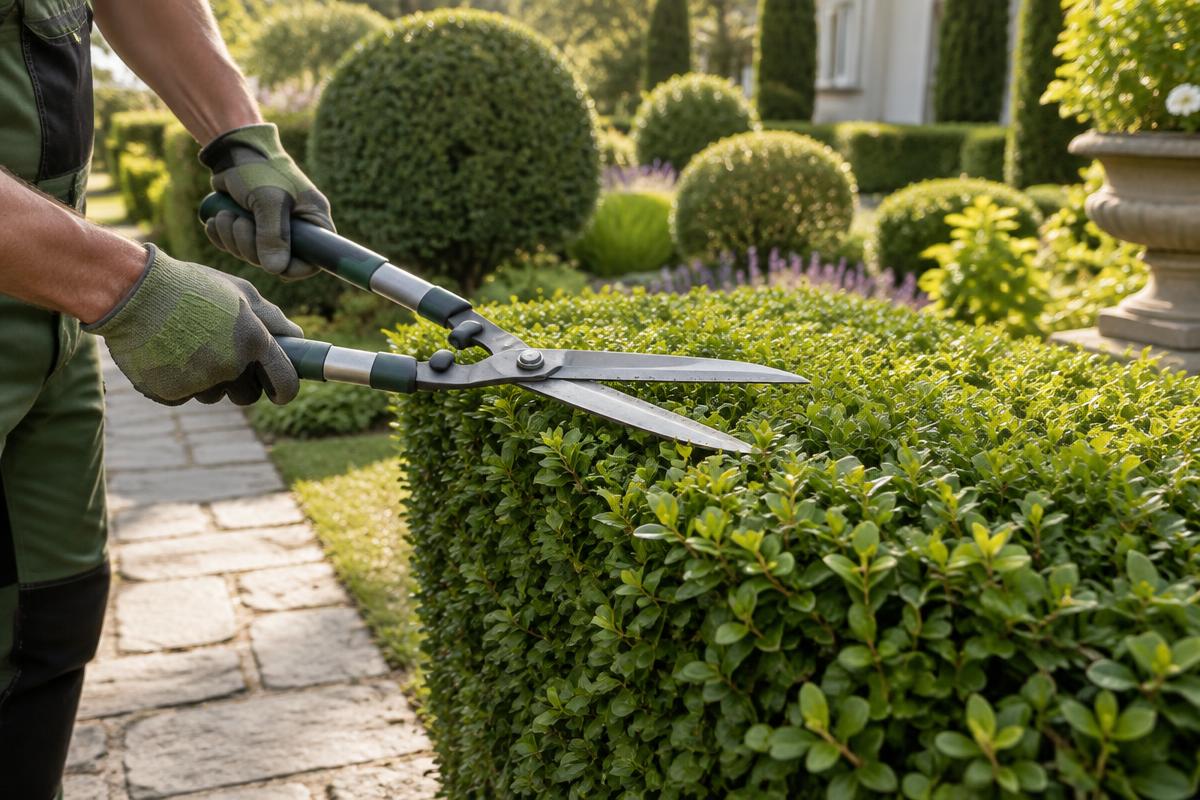
Late winter, before buds break, is a suitable time to prune many deciduous trees and shrubs, as their branch structure is clearly visible without leaves. In autumn, only dead, broken or diseased branches should be removed. Heavy pruning just before cold weather encourages tender new growth that is damaged by the first frost.
Spring-flowering plants formed their flower buds the previous year; pruning them in winter means removing the spring flowers. These plants are best pruned after flowering.
Snow and Ice on Trees
Heavy, wet snow can bend or break the branches of evergreen trees and shaped shrubs. After heavy snowfall, gently shake snow off branches, working from the bottom upwards. If branches are iced over, do not shake them; frozen branches are brittle, so it is better to wait for the ice to melt naturally. Gently tying together the branches of columnar trees such as cypresses before winter also helps prevent their shape from spreading apart.
Lawns in Winter
Make the final autumn cut slightly shorter than usual and clear fallen leaves from the lawn. A layer of wet leaves blocks light, leaving the grass beneath yellow and prone to disease. Avoid walking on frozen grass during frosty weather, as the frozen blades break under pressure and the resulting patches remain until spring.
Tender Plants, Pots and Roof Gardens
The roots of plants in pots and planter boxes are more exposed to cold than those planted in the ground because they have less soil to protect them. Moving pots to a sheltered spot beside a sun-facing wall, or wrapping them in insulation, helps prevent roots from freezing. In roof gardens, where wind and cold are more intense, checking planter drainage is particularly important: water that remains in the growing medium and freezes can damage both roots and planters.
For cold-sensitive plants, breathable horticultural covers are useful on frosty nights. Do not place ordinary plastic directly over leaves, as moisture collects beneath it and can itself cause frost damage to the foliage.
Winter: The Ideal Time to Plan
Winter is a good opportunity to review your landscape design: which plants have weakened, where water collects and what changes are needed for spring. Planning planting, irrigation improvements, or roof garden and green wall installations in winter allows work to proceed without a rush when the appropriate season begins.
If you need advice on preparing your garden, courtyard or roof garden for cold weather, or on planning for spring, the Kimia team is ready to visit and assess your landscape.